Highly Rated Electrical Contractor in Thunder Bay
Professional Electric Specialist Options for All Requirements
A experienced electrical service provider delivers services that address a wide variety of requirements across commercial and residential industries. These experts ensure adherence with safety regulations and improve operational performance. From setup to energy optimization, their expertise is crucial for reducing risks and avoiding costly errors. Grasping the complexities of local regulations further solidifies their value. However, steering through the engagement and selection process can be complex, raising important questions about how to choose the appropriate contractor for particular requirements.
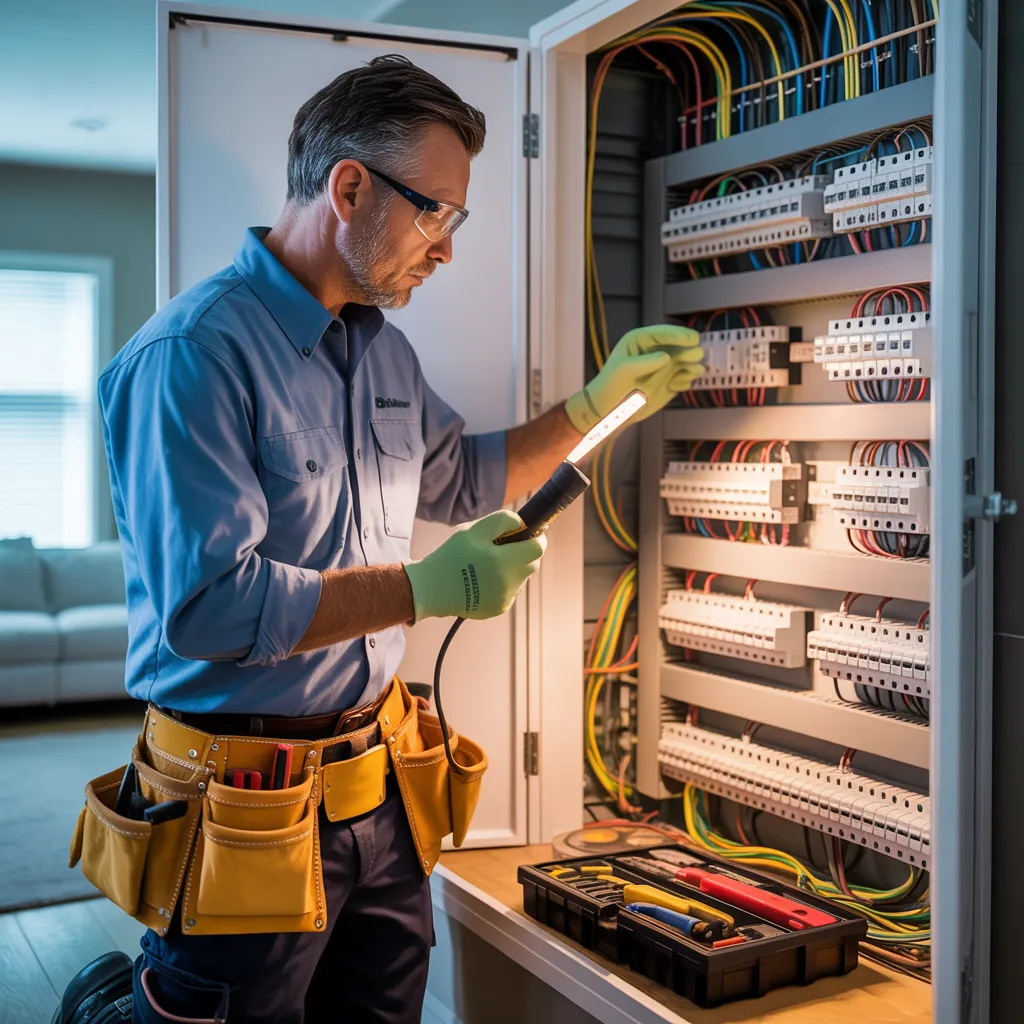
Why Hiring a Qualified Electrical Contractor Is Crucial
Engaging a experienced electrical contractor can greatly impact the protection and functionality of a property's electrical system. These specialists maintain the necessary instruction and background to assure that all electrical work complies with local codes and regulations. This adherence lowers the risk of dangers such as electrical fires, shock, and equipment failure. Additionally, a skilled contractor can accurately assess the specific electrical needs of a structure, delivering bespoke solutions that enhance efficiency and performance.
Besides safety, contracting with a professional can circumvent costly problems that tend to result from DIY attempts or engaging unlicensed technicians. Their skill set permits prompt project finishing without compromising quality standards. Furthermore, a reputable professional usually includes warranties and assurances, offering peace of mind to property owners. In the end, the choice to contract with a qualified electrical contractor is not just regarding convenience; it is an investment in the long-term reliability and discover now safety of a property's electrical system.
Basic Power Services Made available by Contractors
A extensive selection of electrical services is commonly supplied by contractors to fulfill diverse client needs. These services consist of residential wiring, where specialists establish and upkeep power infrastructure in homes, ensuring security and compliance with local codes. Commercial electrical work involves implementations and fixes in business environments, prioritizing efficient energy use and reliable operation.
Additionally, contractors offer illumination setup and improvements, boosting both aesthetics and functionality in various spaces. They also specialize in identifying and fixing electrical problems, tackling problems like dimming fixtures or electrical surges.
In addition, energy efficiency assessments are undertaken to help clients lower power consumption and cut utility costs. Contractors often provide support with the addition of smart home systems, leveraging advanced systems for superior control and household convenience. To conclude, emergency electrical services are supplied to fix pressing issues, ensuring that consumers receive expedited help when required.
Assessing Electrical Contractor Certifications
Reviewing the credentials and qualifications of an electrical contractor is necessary for securing quality and safety in electrical work. Primary criteria cover the necessary licensing and certifications, full insurance and liability coverage, and a verified record of experience. Altogether, these aspects form the foundation for assessing the contractor's reliability and professionalism.
Licensing and Certifications Mandatory
Licensing and accreditations act as key indicators of an electrical contractor's credentials and compliance to industry standards. Each region has distinct licensing requirements that contractors must meet, often involving a mixture of education, training, and experience. Certifications from accredited organizations further validate a contractor's expertise in specific areas, such as residential, commercial, or industrial electrical work. These credentials not only ensure compliance with local regulations but also reflect a commitment to safety and professionalism. Clients should verify these credentials before hiring, as licensed contractors are typically more knowledgeable about current codes and best practices. Ultimately, proper licensing and certifications boost consumer confidence and support the successful execution of electrical projects.
Insurance And Liability Coverage Options
When evaluating the background of an electrical contractor, insurance and liability coverage are critical components. These measures ensure that both the contractor and the client are safeguarded against possible incidents. A qualified electrical contractor must have general liability insurance, covering property damage or injuries that may happen during the project. Furthermore, workers' compensation insurance is necessary as it protects against workplace injuries suffered by employees. Clients should ensure that the contractor’s insurance is up-to-date and sufficient for the scope of work. This not only mitigates financial risk but also reflects the contractor's dedication to professionalism and safety. Ultimately, strong insurance and liability coverage serve as indicators of a dependable and responsible electrical contractor.
Professional History and Track Record
Experience acts as a base in assessing the qualifications of an electrical professional. A contractor's track record of finished work shows their ability to execute diverse electrical tasks, ranging from residential installations to sophisticated commercial installations. Potential clients should examine the contractor's portfolio, seeking successful projects that align with their specific needs. Additionally, time in the industry often correspond to a deeper understanding of regulatory requirements and safety standards. Client testimonials and reviews can deliver insights into dependability and customer satisfaction. Credentials and licenses confirm a contractor's expertise, displaying ongoing education and adherence to industry standards. In the end, a strong track record supports informed decision-making, ensuring clients hire a contractor able of delivering quality work consistently.
The Purpose of Electrical Contractors in Home Renovations
In the detailed interplay of home upgrades, electrical contractors play a vital role, guaranteeing that every wiring and lighting decision improves both safety and style. Their competence is necessary in planning and executing electrical layouts that comply with building codes and regulations. From installing energy-efficient lighting to purposefully placing outlets, these professionals guarantee utility and convenience throughout the home.
Furthermore, electrical professionals assess current systems, identifying required improvements or repairs that improve overall power optimization. This not just decreases utility costs but also supports to a more sustainable home environment. They partner closely with other trade professionals, coordinating their efforts with plumbing, carpentry, and visual elements to create a cohesive renovation plan.
In the end, the role of qualified electricians is vital for changing a house into a safe, stylish, and modern home, emphasizing their importance in any successful renovation project.
Electrical Contractor Solutions for Commercial Spaces
Regarding commercial spaces, electrical contractors fulfill an important function in setting up efficient wiring installations and energy management systems. These strategies not only strengthen operational effectiveness but also create cost savings over time. By directing attention toward innovative electrical designs, businesses can optimize their energy consumption and enhance overall effectiveness.
Efficient Electrical Wiring Deployments
Streamlined wiring implementations are fundamental for maximizing efficiency and protection in commercial spaces. A thoroughly planned wiring system enhances electrical performance while reducing the risk of hazards. Expert electrical contractors review the unique needs of each facility, ensuring that wiring is designed to support various applications, from lighting to heavy machinery. By utilizing superior materials and adhering to industry standards, they prevent maintenance issues and extend the lifespan of electrical systems. In addition, effective wiring designs facilitate future upgrades and expansions, allowing businesses to adapt to evolving technological demands. Ultimately, investing in streamlined wiring implementations not only maximizes operational efficiency but also contributes to a safer working environment, promoting overall productivity and peace of mind for both employers and employees.
Energy Administration Tools
Perfecting electrical networks moves past streamlined wiring arrangements; it comprises the introduction of energy management systems that elevate energy efficiency in commercial spaces. Energy management platforms present real-time monitoring and supervision of energy consumption, enabling businesses to pinpoint usage patterns and minimize waste. By fusing next-generation solutions, such as smart meters and automated controls, EMS can dramatically lower expense burdens while promoting environmental consciousness. Electrical contractors prove invaluable in structuring and installing these infrastructures, affirming they meet unique business requirements. With adapted energy management configurations, organizations can obtain greater power performance, maintain regulations, and boost their overall operational performance. Implementing an EMS helps the bottom line and simultaneously furthers a more sustainable future.
Guide to Convey Your Project Specifications With Contractors
It is critical to clearly articulate project needs when engaging electrical contractors. Clients should start by outlining the project scope, pinpointing the type of work required, whether it's new installations, upgrades, or repairs. Providing thorough descriptions helps contractors understand expectations and necessary resources.
In addition, clients should relay their budget constraints and timelines. Providing these guidelines permits contractors to recommend realistic solutions and schedules. It is also worthwhile to discuss any specific preferences for materials or methodologies, as well as any key safety or regulatory considerations.
Visual assistance, like diagrams or photos, help to enhance knowledge. Encouraging open communication fosters a joint atmosphere, enabling contractors to ask specific questions and suggest other possibilities. Finally, establishing a primary point of contact provides effective communication over the project. By following these guidelines, clients can effectively share their needs, leading to successful project outcomes.
Expectations During Your Electrical Service Process
What might an individual expect during the electrical work process? To start, the electrician will conduct an assessment of the project specifications, discussing the parameters and any specific concerns. After this, they will deliver a comprehensive quote, detailing costs and schedules. When the contract is in place, the contractor will schedule the job and obtain any required documentation.
During real project completion, one can anticipate transparent dialogue concerning advancement and possible interruptions. The contractor will guarantee safety measures are adhered to, reducing risks to both workers and residents. As the project advances, inspections may take place to ensure compliance with local codes.
Once the project is finished, the contractor will conduct a final walkthrough, addressing any issues and guaranteeing all systems function correctly. Finally, they will supply documentation, including warranties and upkeep tips, ensuring that the homeowner is well-informed about their new electrical installations. This thorough process aims to deliver reliable and efficient electrical solutions.
Commonly Asked FAQ
What Is the Median Charge of Engaging an Electrical Professional?
Standard rates for engaging an electrical contractor typically range between $50 to $100 hourly, subject to the job's difficulty and geographic location. Fixed pricing for certain tasks could apply, with significant variation.
What Amount of Time Is Required for Typical Electrical Work Finishing?
Standard electrical work has variable duration, typically taking between a few hours and several days, dictated by the level of project complexity. Contributing factors like the type of installation, present wiring conditions, and contractor's work efficiency play significant roles in completion time.
Are Electrical Professionals Certified in All States?
Electrical service providers are typically obligated to be licensed in most states, ensuring they achieve specific knowledge and practical standards. However, licensing requirements can vary considerably, so it's critical to investigate local requirements for reliable information.
Can I handle Any Electric Work on my own?
Residents can do some minor electrical work themselves, such as updating outlets and light fixtures, but must follow local codes. For difficult assignments, contracting a qualified electrician is advisable to validate safety and compliance.
What Can I Do in Case of an Electric Emergency?
If an electrical crisis occurs, you should immediately cut off the power at the circuit breaker, avoid touching any live wires, and call a qualified electrician for support to guarantee safety and proper resolution.